
Hot Water vs Lukewarm Water for Hair Wash – What’s Actually Damaging Your Scalp?
admin September 7, 2026 No Comments Hot Water vs Lukewarm Water for Hair Wash – What’s Actually Damaging Your Scalp?...
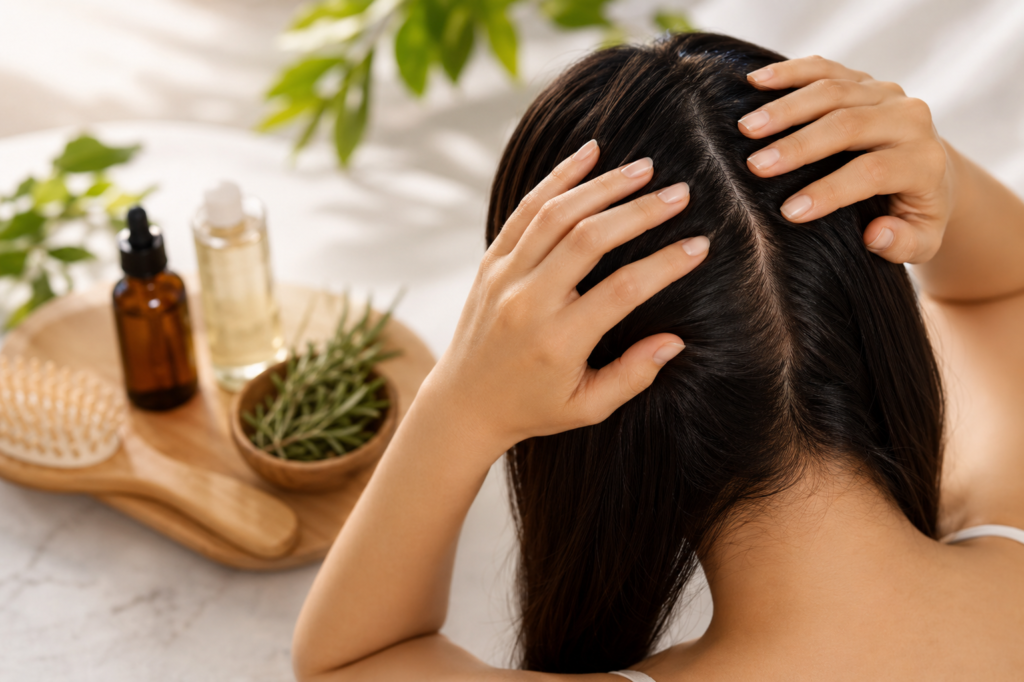
Healthy, beautiful hair starts at the scalp. While many people focus on shampoos, oils, and styling products, the real secret to stronger hair lies beneath the surface. The relationship between scalp health and hair growth is closer than most people realize. A healthy scalp creates the ideal environment for hair follicles to thrive, while scalp issues can contribute to thinning, shedding, and weakened strands.
Understanding how your scalp functions can help you take better care of your hair and reduce common concerns like hair fall, dandruff, and irritation.
The scalp is home to thousands of hair follicles that produce and support hair growth. Just as plants need healthy soil to grow, hair follicles need a healthy scalp environment to function properly.
Several factors influence hair growth, including:
When these conditions are maintained, hair follicles can complete their natural growth cycle more effectively.
Every hair strand goes through a natural cycle consisting of three stages:
This is the active growth phase, during which hair grows continuously for several years.
Hair growth slows, and the follicle begins to shrink.
Hair eventually sheds, making room for new growth.
Poor scalp conditions can disrupt this cycle, leading to excessive shedding and slower regrowth.
Several scalp conditions may interfere with healthy hair development.
One of the most overlooked causes of hair problems is scalp inflammation. Inflammation can damage hair follicles and affect their ability to produce healthy strands.
Common causes include:
When inflammation persists for a long period, it may contribute to noticeable hair thinning.
Natural oils help protect the scalp, but excessive sebum production can create problems.
Too much oil can:
Maintaining balanced oil levels is essential for long-term scalp health.
Frequent use of styling products can lead to buildup on the scalp, blocking follicles and reducing their efficiency.
Signs of buildup include:
Regular scalp cleansing can help prevent these issues.
Recognizing early warning signs can help you address problems before they worsen.
Look out for:
If these symptoms continue despite proper care, professional evaluation may be beneficial.
Effective hair fall prevention involves more than just treating the hair itself. Supporting scalp health can significantly improve overall hair quality.
Wash your hair regularly using products suitable for your scalp type. This helps remove dirt, oil, and buildup.
Healthy hair follicles require nutrients such as:
A balanced diet supports both scalp and hair health.
Frequent chemical treatments, excessive heat styling, and tight hairstyles can stress both the scalp and hair follicles.
Chronic stress may contribute to increased shedding and scalp sensitivity. Activities like exercise, meditation, and quality sleep can help maintain overall wellness.
While home care plays an important role, some conditions require professional treatment.
Individuals experiencing persistent hair fall, thinning, or scalp disorders may benefit from specialized services such as Hair Treatment in Park Street. Professional assessments can identify underlying causes and recommend personalized solutions based on scalp condition and hair health.
Ignoring scalp issues can allow conditions such as excessive sebum buildup, inflammation, and follicle stress to worsen over time. Early intervention is often the key to maintaining a healthy scalp environment and supporting stronger hair growth. Individuals experiencing persistent shedding or scalp-related concerns may benefit from professional hair fall prevention treatments, which can help address underlying causes before they significantly affect the hair growth cycle and overall hair health.
Many people wonder whether dandruff directly causes hair loss. While dandruff itself may not permanently damage follicles, the irritation and scratching associated with it can contribute to shedding.
Dandruff is one of the most common scalp concerns and is often associated with itching, irritation, and flaking. While dandruff itself does not directly stop hair growth, the inflammation and repeated scratching it causes can weaken the scalp environment needed for healthy follicles. Research discussed in this article on whether dandruff can cause hair loss explains how severe dandruff and scalp irritation may contribute to increased shedding in some individuals.
A simple scalp care routine can help maintain optimal conditions for growth.
For additional support and personalized care, explore professional hair fall prevention treatments designed to improve scalp health and strengthen hair growth.
The connection between scalp health and hair growth is undeniable. A healthy scalp provides the foundation that hair follicles need to function properly and support strong, resilient hair. Factors such as scalp inflammation, balanced sebum production, proper hygiene, and targeted hair fall prevention strategies all play an important role in maintaining healthy hair.
By paying attention to scalp care and seeking professional guidance when necessary, you can create the best possible environment for long-term hair growth and overall hair wellness.
1. How does scalp health affect hair growth?
A healthy scalp supports hair follicles by providing proper nutrients, oxygen, and moisture, creating ideal conditions for hair growth.
2. Can scalp inflammation cause hair loss?
Yes. Persistent scalp inflammation can weaken hair follicles and contribute to increased shedding and hair thinning.
3. What role does sebum production play in scalp health?
Balanced sebum production protects the scalp and hair. Excessive oil production, however, can clog follicles and lead to scalp issues.
4. What are the early signs of an unhealthy scalp?
Common signs include itching, dandruff, redness, excessive oiliness, dryness, and increased hair shedding.
5. What are the best methods for hair fall prevention?
Regular scalp cleansing, a balanced diet, stress management, and professional scalp care are effective strategies for hair fall prevention.
6. Can dandruff affect hair growth?
Dandruff-related irritation and scratching may contribute to temporary hair shedding and scalp discomfort.
7. When should I consider professional hair treatment in Park Street?
If you experience persistent hair fall, thinning, scalp irritation, or recurring scalp conditions, consulting a specialist for hair treatment in Park Street can help identify the root cause and recommend suitable treatment options


1st Floor, 29 B, Doctor Ln, Maula Ali, Taltala, Kolkata, West Bengal 700014
FL-1F, PRAYAG TOWER -5 1ST -FR, 449/A/2, Grand Trunk Rd, Serampore, West Bengal 712202