Dermatologist Consultation in Howrah: How to Choose the Best Skin Specialist
Dermatologist Consultation in Howrah: How to Choose the Best Skin Specialist for Your Skin Type admin July 28, 2026 No...
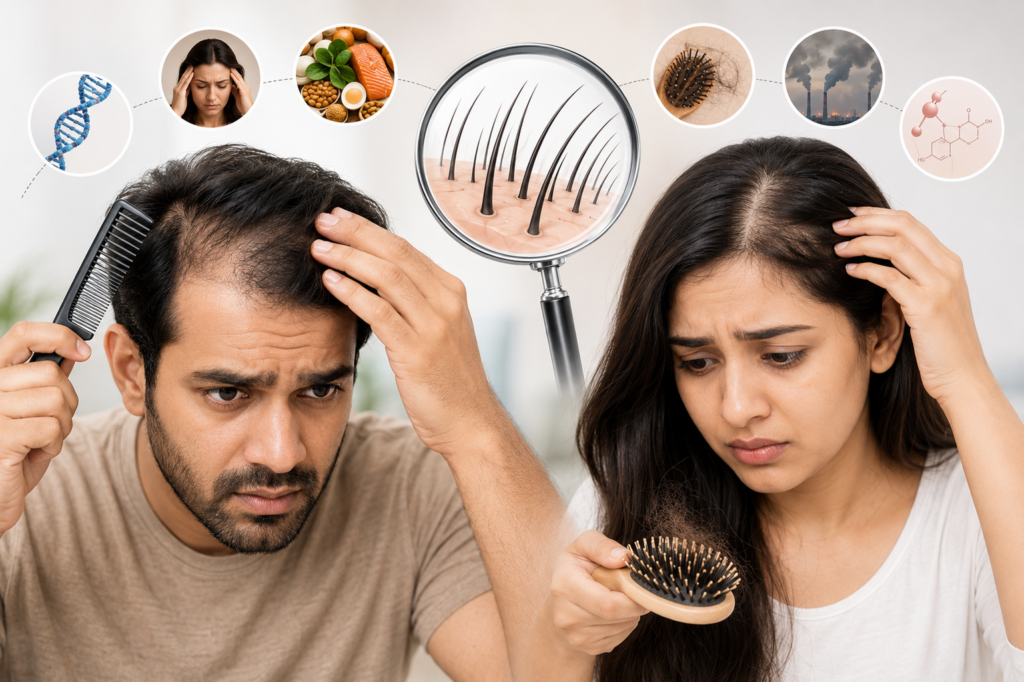
Hair fall is one of the most common concerns affecting both men and women today. While losing around 50–100 strands daily is considered normal, excessive shedding often points to an underlying issue. Understanding the hair fall reasons behind your condition is the first step toward finding an effective solution.
Whether your hair loss is temporary or long-term, identifying the root cause can help you choose the right treatment and prevent further damage. If you’re experiencing persistent hair loss, consulting an expert for hair fall treatment in Kolkata can help diagnose the problem and recommend personalized care.
One of the most common hair loss causes is hereditary hair loss, also known as male or female pattern baldness.
Hormonal fluctuations due to pregnancy, menopause, thyroid disorders, or PCOS can lead to noticeable hair shedding.
Lack of essential nutrients such as iron, zinc, protein, Vitamin D, and Vitamin B12 often contributes to the causes of thinning hair.
Physical and emotional stress can trigger a condition called Telogen Effluvium, where more hair enters the shedding phase.
Fungal infections, dandruff, and scalp inflammation may weaken hair roots and increase shedding.
Frequent use of straighteners, curling irons, and blow dryers damages the hair shaft over time.
Repeated coloring, bleaching, rebonding, and perming are common causes of hair fall due to weakened hair fibers.
Constantly wearing tight ponytails, buns, or braids can lead to traction alopecia.
Some medicines for blood pressure, depression, chemotherapy, and autoimmune diseases may cause hair shedding.
Using harsh shampoos or washing hair excessively may weaken strands and irritate the scalp.
Conditions like Alopecia Areata cause the immune system to attack healthy hair follicles.
Crash dieting and sudden weight reduction may trigger temporary hair shedding due to nutritional imbalance.
Natural aging slows hair growth and reduces hair density in both men and women.
Pollution, UV rays, and hard water may gradually weaken hair and scalp health.
Diabetes, anemia, lupus, thyroid disease, and chronic illnesses are among the major causes of excessive hair loss.
You should seek professional help if you notice:
Early diagnosis often leads to better treatment outcomes.
Depending on the diagnosis, specialists may recommend the following:
Those searching for reliable hair fall treatment in Kolkata should consult qualified dermatologists who offer personalized treatment plans based on the underlying cause.
According to an AIIMS dermatologist, explaining why so many youngsters in India are going bald, lifestyle changes, stress, nutritional deficiencies, pollution, and genetic factors are increasingly contributing to hair loss among younger individuals. This highlights the importance of early diagnosis and timely treatment rather than relying solely on home remedies.
Understanding the real hair-fall reasons behind your condition is essential for choosing the right treatment. Since there are multiple hair loss causes, ranging from genetics and hormones to nutritional deficiencies and lifestyle habits, self-diagnosis may not always be accurate. Early intervention can prevent permanent damage and restore healthy hair growth.
If you notice persistent hair shedding or signs of thinning, consulting an experienced specialist for hair fall treatment in Kolkata can help identify the exact cause and provide a personalized treatment plan for long-lasting results.
The most common hair fall reasons include genetics, hormonal imbalance, nutritional deficiencies, stress, scalp infections, medications, and aging.
Hair loss causes in women often include pregnancy, menopause, PCOS, thyroid disorders, iron deficiency, and emotional stress.
The causes of thinning hair include hereditary factors, poor nutrition, excessive heat styling, chemical treatments, and chronic medical conditions.
The most common causes of hair fall among young adults are stress, unhealthy diets, lack of sleep, pollution, hormonal imbalance, and genetics.
The causes of excessive hair loss may include illness, high fever, surgery, childbirth, nutritional deficiencies, medications, or severe emotional stress.
Yes. In many cases, hair regrowth is possible once the underlying cause is treated early with appropriate medical care and lifestyle changes.
If hair fall continues for more than three months, you notice visible thinning, bald patches, or excessive shedding, it is advisable to consult a qualified hair specialist for Hair Fall Treatment in Kolkata.