
Hot Water vs Lukewarm Water for Hair Wash – What’s Actually Damaging Your Scalp?
admin September 7, 2026 No Comments Hot Water vs Lukewarm Water for Hair Wash – What’s Actually Damaging Your Scalp?...
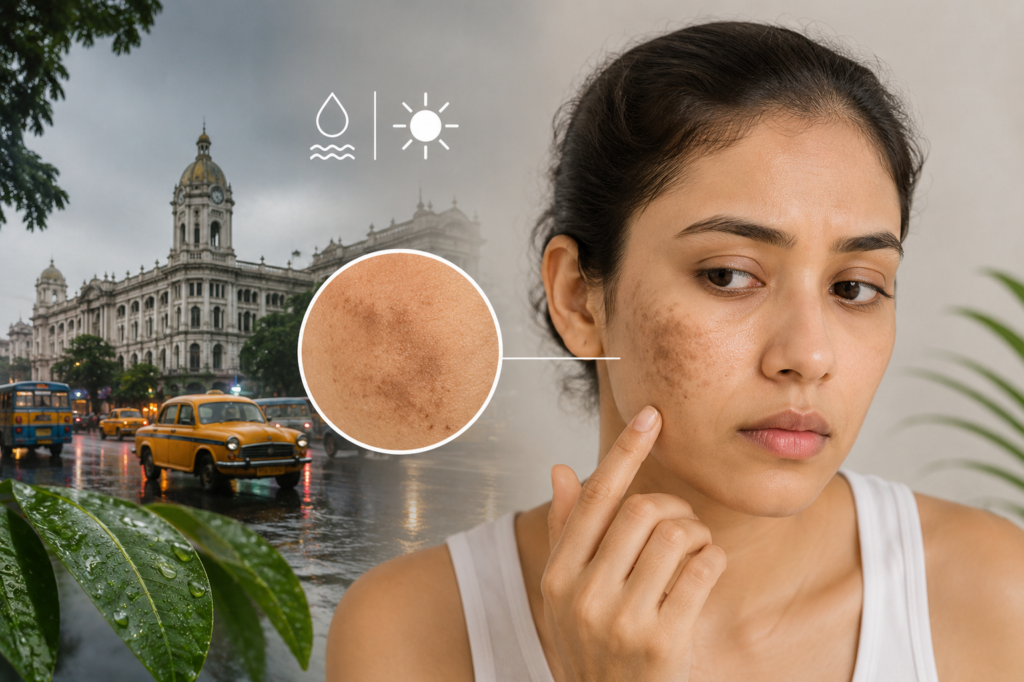
Kolkata is known for its hot and humid climate throughout much of the year. While the weather may be ideal for lush greenery, it can be challenging for your skin. The connection between humid weather and skin pigmentation is often overlooked, yet many people notice dark patches, uneven skin tone, and stubborn pigmentation becoming more noticeable during humid months.
If you’ve been wondering why your skin looks dull or why pigmentation seems harder to manage, the answer may lie in the city’s climate. Understanding how humidity affects your skin can help you take preventive measures and seek the right pigmentation treatment in Kolkata before the condition worsens.
Humid weather and skin pigmentation are closely linked because excessive moisture in the air increases sweating, oil production, and skin irritation. When the skin experiences repeated inflammation or sun exposure, melanin production may increase, resulting in darker patches.
Although pigmentation can affect anyone, people with medium to darker skin tones are often more susceptible to developing uneven pigmentation after irritation or inflammation.
Several factors contribute to the causes of skin pigmentation, and humidity often acts as a trigger rather than the sole cause.
Some common reasons include:
When combined with Kolkata’s humid environment, these factors can accelerate melanin production.
The relationship between humidity and skin health is more significant than many people realize.
High humidity can:
These skin issues may eventually lead to post-inflammatory hyperpigmentation, making existing pigmentation darker and creating new spots.
Kolkata experiences prolonged periods of humidity along with intense UV exposure. This combination creates the perfect environment for pigmentation to develop.
Some reasons include:
Constant sweating irritates the skin and increases friction, especially around the face, neck, and under the eyes.
Humidity stimulates sebaceous glands, leading to oily skin and acne. Acne often leaves behind pigmentation after healing.
Excessive UV exposure is one of the leading factors behind worsening pigmentation, especially when combined with Kolkata’s humid climate. Research published by Harvard Medical School on how skin pigmentation helps protect against UV damage explains the important role melanin plays in shielding the skin, while also highlighting why prolonged sun exposure can contribute to uneven pigmentation and other skin concerns.
Heat, pollution, and sweat can trigger inflammation, which contributes to pigmentation due to humidity.
Recognizing pigmentation due to humidity early allows timely treatment.
Look out for:
Certain individuals are at higher risk.
These include:
Preventing pigmentation requires consistent skincare habits.
Use a broad-spectrum sunscreen with SPF 30 or higher, even on cloudy days.
Remove sweat, oil, and pollutants without over-washing.
Adequate hydration supports overall humidity and skin health.
This reduces the risk of post-inflammatory pigmentation.
Ingredients like vitamin C and niacinamide may help improve skin brightness.
Carry an umbrella or wear a hat when outdoors during peak sunlight hours.
Professional evaluation becomes important if:
A dermatologist can identify the exact causes of skin pigmentation and recommend personalized treatment options.
Several modern options are available for pigmentation treatment in Kolkata, depending on your skin type and the underlying cause.
Treatment may include:
Since every individual’s skin responds differently, professional assessment is essential before beginning any skin pigmentation treatment.
Follow this simple routine:
Morning
Evening
Consistency is more effective than using multiple products occasionally.
Humidity doesn’t just increase the risk of pigmentation—it can also trigger itching, fungal infections, and allergic skin reactions due to excessive sweating and prolonged moisture exposure. Individuals experiencing these symptoms alongside pigmentation may also benefit from understanding the common triggers and prevention strategies discussed in our guide on skin allergies during monsoon in Howrah, as maintaining healthy skin during the rainy season can help reduce inflammation that often leads to post-inflammatory pigmentation.
The connection between humid weather and skin pigmentation is real, especially in a city like Kolkata where humidity remains high for much of the year. Sweat, UV exposure, pollution, and inflammation work together to increase melanin production, making pigmentation more noticeable.
By maintaining a proper skincare routine, protecting your skin from the sun, and seeking timely Pigmentation Treatment in Kolkata, you can reduce pigmentation and improve your skin’s overall appearance. If dark patches persist despite good skincare, consulting a dermatologist for skin pigmentation treatment is the safest and most effective way to achieve healthier, more even-toned skin.
Yes. Humid weather and skin pigmentation are connected because excessive sweating, inflammation, and UV exposure can stimulate melanin production.
The causes of skin pigmentation include sun exposure, hormonal changes, acne scars, inflammation, genetics, aging, and certain medications.
Yes. Using sunscreen daily, keeping your skin clean, avoiding excessive sun exposure, and following a dermatologist-recommended skincare routine can reduce pigmentation due to humidity.
You should seek pigmentation treatment in Kolkata if dark patches continue to worsen, home remedies fail, or pigmentation affects your confidence.
The ideal skin pigmentation treatment depends on the cause and severity. A dermatologist may recommend topical medications, chemical peels, laser therapy, or microneedling after evaluating your skin.
Yes. Humidity and skin health are closely related. High humidity increases sweating and oil production, which can contribute to clogged pores, inflammation, and pigmentation over time.


1st Floor, 29 B, Doctor Ln, Maula Ali, Taltala, Kolkata, West Bengal 700014
FL-1F, PRAYAG TOWER -5 1ST -FR, 449/A/2, Grand Trunk Rd, Serampore, West Bengal 712202