Dermatologist Consultation in Howrah: How to Choose the Best Skin Specialist
Dermatologist Consultation in Howrah: How to Choose the Best Skin Specialist for Your Skin Type admin July 28, 2026 No...
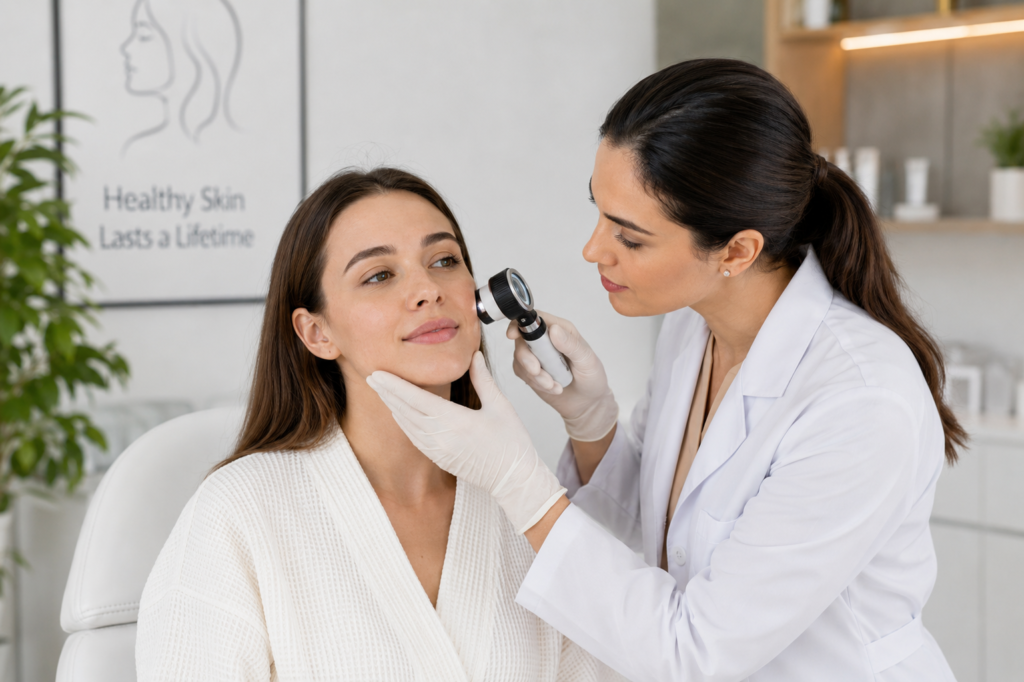
Your skin is often the first part of your body to show signs of underlying health issues. While occasional rashes, dryness, or breakouts may not seem serious, some skin concerns require prompt medical attention. Knowing when to see a dermatologist can help prevent minor issues from becoming chronic conditions and ensure your skin remains healthy and protected.
If you have been experiencing persistent irritation, unusual changes, or recurring skin problems, it may be time to schedule a dermatologist consultation. Here are five important signs that indicate you should visit a Skin Clinic in Park Street without delay.
Skin allergies can develop due to environmental triggers, food sensitivities, cosmetics, medications, or contact with irritants. While mild reactions often improve with basic care, ongoing discomfort should not be ignored.
If these skin allergy symptoms continue for several days or repeatedly return, a specialist can identify the underlying cause and recommend the most effective treatment plan.
Occasional itching is normal, but persistent itching can indicate an underlying skin condition that requires professional evaluation.
Understanding the actual itchy skin causes is important because self-treatment may only provide temporary relief. A dermatologist can accurately diagnose the condition and help prevent complications such as skin infections or scarring.
Many people assume acne is only a teenage problem, but breakouts can continue well into adulthood. Hormonal fluctuations, stress, genetics, and lifestyle factors can all contribute to persistent acne.
Seeking adult acne treatment early can help reduce scarring and improve long-term skin health. A dermatologist may recommend prescription medications, chemical peels, or customized skincare solutions based on your condition.
Changes in moles, freckles, or skin spots should never be overlooked. While many skin growths are harmless, some changes can indicate serious conditions that require immediate evaluation.
Early detection is crucial when dealing with potentially dangerous skin conditions. Scheduling a timely dermatologist consultation can provide peace of mind and allow for early intervention if needed.
Certain skin conditions can become recurring problems if not properly managed. Conditions such as eczema, psoriasis, rosacea, and chronic dermatitis often require ongoing professional care.
If your symptoms keep returning despite using over-the-counter products, visiting a Skin Clinic in Park Street can help you receive targeted treatment tailored to your specific needs.
Many skin conditions become easier to treat when diagnosed early. Delaying medical attention may result in worsening symptoms, permanent scarring, infections, or prolonged discomfort.
Research published in Nature highlights the growing importance of early diagnosis and evidence-based treatment approaches for various skin-related conditions. By understanding when to see a dermatologist, you can take proactive steps toward maintaining healthy skin and preventing long-term complications.
When selecting a dermatologist, look for:
A qualified dermatologist can help address concerns ranging from allergies and infections to pigmentation disorders and acne management.
You may also be interested in:
These resources can provide additional guidance on maintaining healthy skin and addressing common dermatological concerns.
Recognizing when to see a dermatologist can make a significant difference in your skin’s health and appearance. Persistent skin allergy symptoms, unexplained itching, recurring breakouts, suspicious moles, and chronic skin conditions are all signs that professional care may be necessary.
If you notice any of these warning signs, scheduling a dermatologist consultation at a reputable Skin Clinic in Park Street can help you receive timely diagnosis and effective treatment before the condition worsens.
1. How do I know when to see a dermatologist?
You should seek professional help if you experience persistent rashes, severe itching, recurring acne, unusual moles, or chronic skin conditions that do not improve with home care.
2. What are the most common skin allergy symptoms?
Common symptoms include redness, itching, swelling, dry patches, burning sensations, and recurring rashes.
3. What are some common itchy skin causes?
Eczema, allergies, psoriasis, fungal infections, dry skin, and certain medical conditions are among the most common causes.
4. Is adult acne treatment different from teenage acne treatment?
Yes. Adult acne often requires a customized approach that considers hormonal changes, lifestyle factors, and skin sensitivity.
5. How often should I schedule a dermatologist consultation?
This depends on your skin condition. Annual skin examinations are generally recommended, while chronic conditions may require more frequent visits.
6. Can stress worsen skin conditions?
Yes. Stress can contribute to acne flare-ups, eczema, psoriasis, and other inflammatory skin disorders.
7. When should I worry about a mole?
Any mole that changes in size, shape, color, or begins bleeding or itching should be evaluated by a dermatologist as soon as possible.